




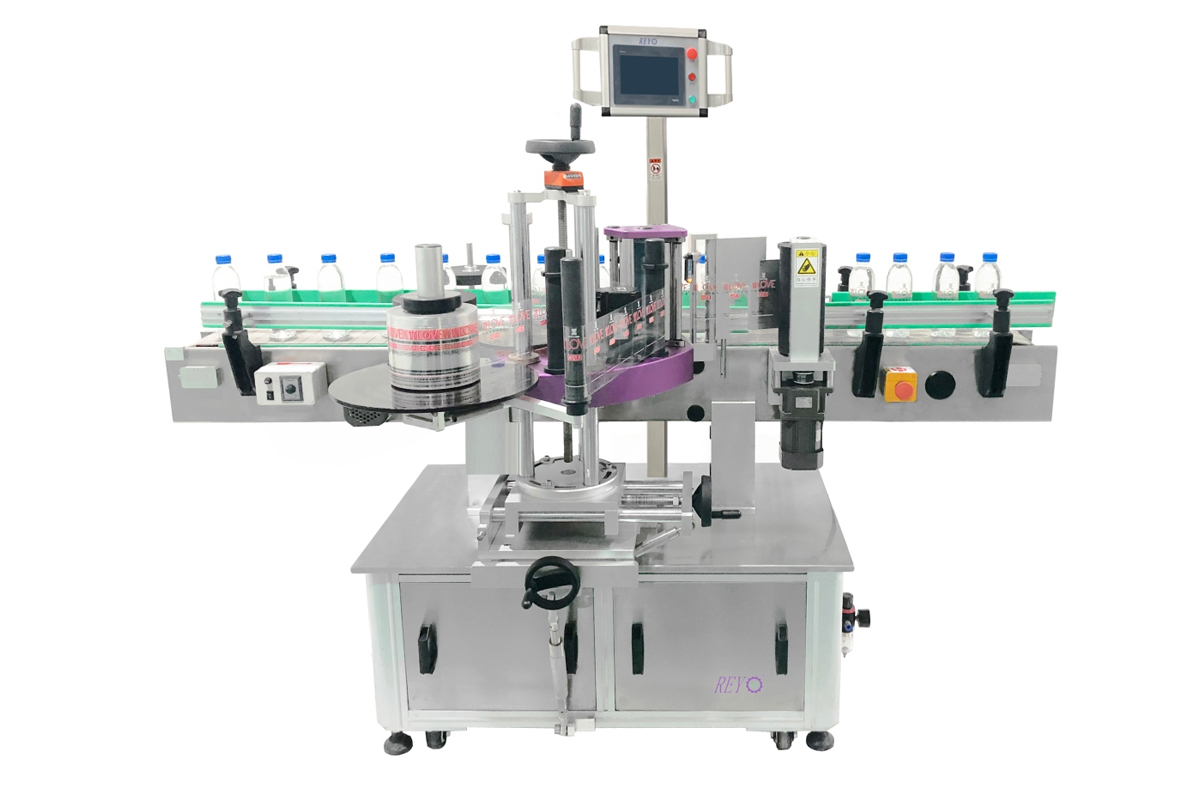
What Is the Best Bottle Labeling Machine?
Choosing the best bottle labeling machine depends on more than the machine itself. Bottle shape, label material, labeling method, production speed, labeling accuracy, and production line requirements all affect which machine is the right choice.
For manufacturers looking to automate bottle labeling, an Automatic Bottle Labeling Machine can provide consistent label positioning, stable production speed, and lower labor requirements compared with manual labeling. However, different applications may require different labeling solutions.
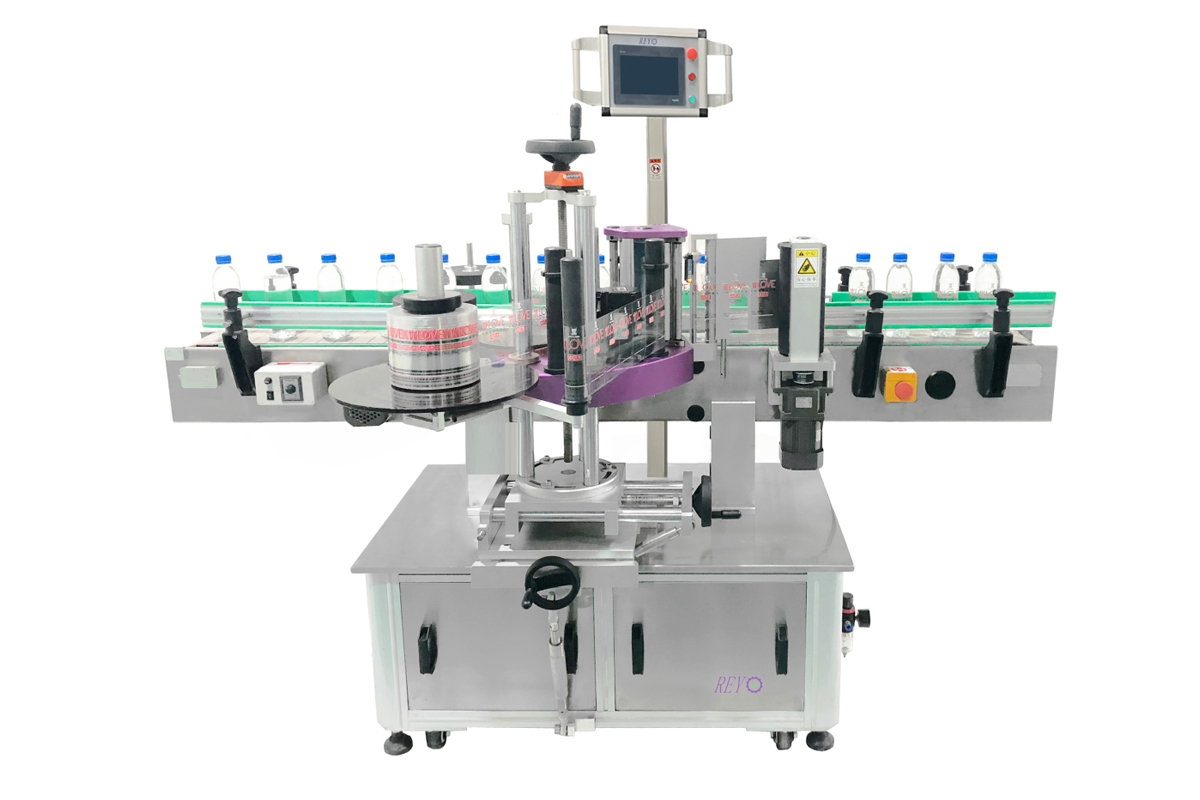
What Is a Bottle Labeling Machine?
A bottle labeling machine is an industrial machine designed to automatically apply labels to bottles and other containers. Depending on the machine configuration, it can handle round, square, flat, oval, conical, and irregular-shaped bottles.
A modern automatic bottle labeler typically includes a conveyor system, bottle positioning mechanism, label dispensing system, servo motor, control system, and labeling or pressing mechanism.
The machine feeds bottles into the labeling station, detects their position, dispenses the label at the required speed, and applies it accurately to the bottle surface. Additional mechanisms can be used for pressing, wrapping, or positioning the label after application.
What Makes the Best Bottle Labeling Machine?
There is no single bottle labeling machine that is best for every application. The right equipment should match the actual production requirements.
Bottle Shape and Size
The first consideration is bottle shape. A round bottle labeling machine is ideal for cylindrical bottles used for bottled water, beverages, sauces, cosmetics, and pharmaceutical products.
For square, flat, oval, conical, or irregular bottles, a more flexible automatic bottle labeling machine may be a better choice. With the appropriate labeling mechanism, one machine can support different bottle shapes and labeling configurations.
Labeling Method
The required labeling position is another important factor.
A bottle labeling machine can be configured for:
Single-side labeling
Front-and-back labeling
Double-side labeling
Three-side labeling
Full-wrap labeling
Neck labeling
Precise positioning labeling
For example, a square bottle may require multiple-side or wrap-around labeling, while a round bottle may need symmetrical front-and-back labeling or full-wrap labeling.
A positioning labeling machine is particularly useful when the label must be applied at an exact position relative to the bottle shape, handle, cap, or other features.
Label Material
The label material also affects the choice of equipment.
A self adhesive labeling machine uses pressure-sensitive labels with adhesive already applied to the label backing. These labels are widely used for food, beverages, cosmetics, chemicals, and pharmaceutical products.
An OPP Labeling Machine, on the other hand, is designed for OPP film labels and may use a hot melt adhesive system depending on the machine configuration. OPP labeling is commonly used for high-volume beverage and consumer product packaging.
Therefore, manufacturers should confirm the label material and adhesive method before selecting a labeling machine.
Production Speed
Production volume is another key factor.
For low- and medium-volume production, a standard automatic bottle labeler may provide sufficient capacity. For large-scale production, a high speed labeling machine can be integrated with filling, capping, coding, inspection, and other packaging equipment.
For example, a servo-driven labeling system can provide precise label dispensing while maintaining stable operation at high production speeds. Some configurations can dispense labels at speeds of up to 60 m/min, depending on the machine design and label specifications.
Labeling Accuracy
For products with strict packaging requirements, labeling accuracy is especially important. Uneven labels, wrinkles, bubbles, or incorrect positioning can affect product appearance and may lead to additional rework.
A high-quality bottle labeling machine should provide stable bottle positioning, accurate label dispensing, and consistent pressing or wrapping.
Servo motor control and closed-loop control systems can help maintain accurate label dispensing and repeatable labeling performance.
Automatic Bottle Labeling Machine vs. Semi automatic labeling machine
When choosing labeling equipment, manufacturers often compare an automatic bottle labeling machine with a semi automatic labeling machine.
A semi automatic label applicator usually requires an operator to place or position each bottle before labeling. It can be suitable for small production volumes, product testing, or businesses that do not need continuous automated production.
An automatic bottle labeling machine can automatically feed and position bottles, apply labels, and transfer finished products to the next production stage. It is generally more suitable for continuous production and high-volume manufacturing.
For manufacturers planning to connect labeling equipment to an existing filling line, an automatic system is usually the more efficient option.
Which Bottle Labeling Machine Is Best for Different Applications?
The best machine depends on the application.
Best for Round Bottles
For cylindrical containers, an automatic round bottle labeling machine is a practical choice. It can be configured for single-side, front-and-back, full-wrap, or precise positioning labeling.
A rubber roller drive combined with a pneumatic roller-clamping mechanism can help keep the bottle stable during labeling and reduce problems such as lifted edges and bubbles.
Best for Multiple Bottle Shapes
If a production line handles round, square, flat, oval, conical, and irregular bottles, a flexible automatic bottle labeling machine is more suitable.
Adjustable labeling stations and shaping or pressing mechanisms allow the machine to accommodate different bottle geometries and labeling requirements.
Best for High-Speed Beverage Production
For high-volume beverage production, a high speed labeling machine or rotary labeling machine can be considered.
These machines can be integrated with high-speed filling lines and other packaging equipment. This helps create a continuous production process while reducing manual handling and improving overall production efficiency.
Best for OPP Labels
For OPP film labels, an OPP labeling machine or OPP Hot Melt Glue Labeling Machine may be appropriate.
The system typically involves label feeding, cutting, hot melt adhesive application, bottle positioning, label application, and pressing. This type of labeling is widely used for beverage bottles and other high-volume consumer products.
Best for Precise Label Positioning
When the label must be positioned accurately on a bottle, a positioning labeling machine with stable bottle handling and precise label dispensing is recommended.
This is especially useful for products where the label must align with a logo, bottle shape, handle, cap, or another reference point.
What Features Should You Look for?
A reliable bottle labeling machine should provide more than basic label application. Important features include:
Servo-Controlled Label Dispensing
A servo motor can provide precise and stable label dispensing. For example, a 750 W high-power servo motor can be used to achieve high-speed label feeding while maintaining accurate control.
Stable Bottle Handling
Bottle pressing and positioning mechanisms are important for consistent labeling. A multi-section pressing belt can provide more even pressure at different stations, while adjustable shaping belts can help accommodate different bottle sizes and shapes.
Flexible Label Dispenser
An adjustable label dispenser allows operators to fine-tune the position and angle of the labeling unit. A multi-column structure with spatial adjustment can make machine setup easier when changing bottle or label specifications.
PLC and Closed-Loop Control
A Siemens PLC combined with servo motor closed-loop control can provide stable machine operation and precise control of the labeling process. A bilingual operating interface can also make daily operation and adjustment easier for international production environments.
Production Line Integration
For larger manufacturers, the labeling machine should be able to communicate with upstream and downstream equipment.
A typical automated packaging line may include:
Bottle Feeding → Filling → Capping → Labeling → Coding → Inspection → Packaging
This allows the bottle labeler to become part of a complete automated production line rather than operating as an isolated machine.
How to Choose the Best Bottle Labeling Machine
Before purchasing a bottle labeling machine, manufacturers should confirm several specifications:
What is the bottle shape and size?
What label material will be used?
Is the label self-adhesive or hot melt adhesive?
Where does the label need to be applied?
What labeling accuracy is required?
What is the required production speed?
Is front-and-back, three-side, or full-wrap labeling required?
Does the machine need to connect to a filling line?
Will the production line use one bottle size or multiple bottle specifications?
What level of automation is required?
Answering these questions makes it easier to select the right automatic labeling machine instead of choosing equipment based only on speed or price.
Why Choose an Automatic Bottle Labeling Machine?
For manufacturers with continuous production requirements, automation can provide several advantages.
An automatic bottle labeling machine can reduce manual labeling work, improve labeling consistency, increase production efficiency, and support integration with other packaging equipment.
With servo-driven label dispensing, accurate bottle positioning, and adjustable labeling mechanisms, the machine can also accommodate different labeling requirements without changing the entire production system.
The best bottle labeling machine is therefore not necessarily the fastest or most expensive machine. It is the machine that provides the right combination of labeling accuracy, production speed, flexibility, stability, and compatibility with your products.
FAQ About Bottle Labeling Machines
What is the best bottle labeling machine for round bottles?
An automatic round bottle labeling machine is usually suitable for cylindrical bottles. Depending on the product, it can support single-side, front-and-back, full-wrap, or precise positioning labeling.
What is the difference between an automatic and semi automatic labeling machine?
A semi automatic labeling machine normally requires an operator to load or position bottles, while an automatic bottle labeling machine can feed, position, label, and transfer bottles automatically.
Can one bottle labeling machine handle different bottle shapes?
Yes, depending on the machine configuration. Flexible automatic bottle labeling machines can be designed for round, square, flat, oval, conical, and irregular bottles.
Can a bottle labeling machine be connected to a filling line?
Yes. Automatic bottle labeling machines can be designed for integration with filling, capping, coding, inspection, and other packaging equipment to create a continuous production line.
Is an OPP labeling machine the same as a self adhesive labeling machine?
No. An OPP labeling machine is generally designed for OPP film labels, while a self adhesive labeling machine applies pressure-sensitive labels that already have adhesive on the label material. The appropriate system depends on the label material and adhesive process.